


Diaphragmatic Breathing: Benefits & How to Do It
06/11/26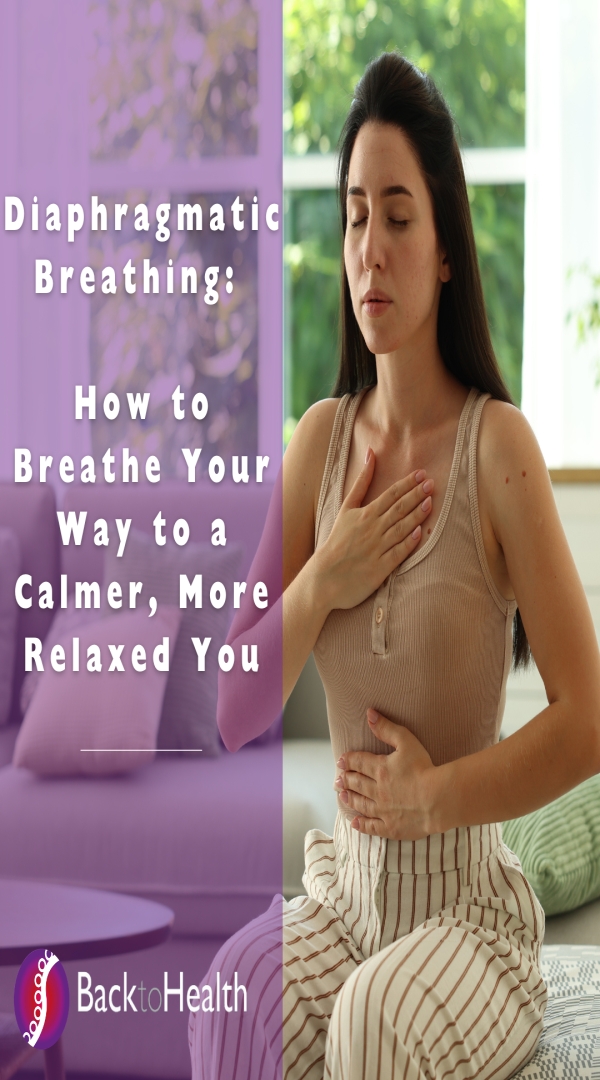
Diaphragmatic Breathing: How to Breathe Your Way to a Calmer, More Relaxed You
When was the last time you actually stopped and thought about how you're breathing?
It's something we do thousands of times every day without giving it a second thought.
But have you ever noticed how your breathing changes when you're stressed, rushing around or feeling anxious?
Perhaps your breathing becomes a little quicker, your shoulders tense up or you find yourself taking short, shallow breaths.
Sound familiar?
The way we breathe can influence how we feel, and sometimes taking a few minutes to slow things down can help us feel a little calmer.
One simple technique worth trying is diaphragmatic breathing, sometimes called belly breathing or abdominal breathing.
The best part? It's free, doesn't require any equipment and you can practise it almost anywhere.
What Is Diaphragmatic Breathing?
Let's start with a little anatomy. Don't worry, we'll keep it simple!
Your diaphragm is a large, dome-shaped muscle that sits just below your lungs, separating your chest from your abdomen.
It's one of the main muscles involved in breathing.
When you breathe in, your diaphragm contracts and moves downwards, helping your lungs expand and draw in air.
As you breathe out, it relaxes and moves upwards again.
This happens naturally throughout the day, whether you're thinking about it or not.
Diaphragmatic breathing is simply a technique that encourages you to breathe slowly and comfortably, allowing your diaphragm to move naturally rather than relying heavily on the muscles around your upper chest and shoulders.
You may notice your lower ribs and tummy gently expand as you breathe in and settle again as you breathe out.
It's not about taking the biggest breath possible. It's about breathing gently, comfortably and without unnecessary effort.
What Are the Benefits of Diaphragmatic Breathing?
You may have seen breathing exercises recommended for everything from stress and sleep to back pain and general wellbeing.
While breathing techniques aren't a cure for every problem, there are some good reasons to give them a try.
1. It May Help You Feel Less Stressed
When we're stressed or anxious, our breathing can become quicker or less regular.
This is part of the body's natural response to pressure.
Slowing your breathing and focusing on a comfortable rhythm may help you feel calmer and more in control.
Research suggests that slow breathing exercises can help reduce feelings of stress in some people, although the results vary.
And you don't need to wait until you're feeling overwhelmed to practise.
A few quiet minutes during your day can be a useful opportunity to switch off from everything going on around you.
2. It Can Encourage Relaxation
Ever noticed how tense your shoulders feel after a busy day?
When we're under pressure, we sometimes hold tension in our neck, shoulders and upper chest without realising it.
Gentle breathing exercises give you an opportunity to relax those muscles and become more aware of how your body feels.
Try taking a few comfortable breaths while allowing your shoulders to drop naturally.
You might be surprised how much tension you've been holding!
3. It May Help You Wind Down Before Bed
We've all had those evenings when we're physically tired, but our minds seem determined to keep going.
You're thinking about tomorrow's jobs, replaying something that happened at work or remembering everything you forgot to do.
Sound familiar?
A few minutes of slow, comfortable breathing may help you relax as part of your bedtime routine.
It won't necessarily solve persistent sleep problems, but it can be a useful way to settle down before bed.
4. It Can Help You Become More Aware of Your Breathing
Most of us rarely notice how we're breathing until we're exercising, feeling breathless or experiencing stress.
Practising diaphragmatic breathing can help you recognise changes in your breathing pattern and learn how to slow things down when you need to.
For some people, breathing control techniques can also be helpful when managing breathlessness, although anyone with an existing respiratory condition should follow advice from their healthcare professional.
How to Practise Diaphragmatic Breathing
Ready to give it a try?
You don't need any special equipment, and there's no complicated technique to remember.
Find somewhere comfortable where you can sit or lie down without being disturbed for a few minutes.
Step 1: Get Comfortable
Sit in a supportive chair or lie on your back with your knees comfortably bent.
Allow your shoulders, neck and jaw to relax.
There's no need to sit perfectly straight or hold yourself in a particular position.
Step 2: Place Your Hands on Your Body
Rest one hand on your upper chest and the other on your tummy, just below your ribs.
This can help you notice how your body moves as you breathe.
Step 3: Breathe In Gently
Take a slow, comfortable breath in through your nose, if possible.
As you breathe in, allow your lower ribs and tummy to expand gently.
You may notice the hand on your tummy moving slightly.
Don't push your stomach out or try to fill your lungs as much as possible.
Just let the movement happen naturally.
Step 4: Breathe Out Slowly
Allow the breath to flow out gently through your mouth or nose, whichever feels more comfortable.
Notice how your tummy and lower ribs settle as you breathe out.
Keep your shoulders relaxed.
Step 5: Find a Comfortable Rhythm
Continue breathing gently for a minute or two.
If you find counting helpful, try breathing in for around three or four seconds and breathing out for around four or five seconds.
But don't worry about the numbers.
Everyone breathes at a slightly different pace, and there's no need to force yourself to follow a particular count.
As you become more comfortable, you can gradually practise for a little longer.
Remember, breathing exercises should feel comfortable. If you become dizzy, light-headed or uncomfortable, stop and return to your normal breathing.
Two More Simple Breathing Exercises to Try
Once you're comfortable with diaphragmatic breathing, you might like to try a couple of other gentle techniques.
1. Lower Rib Breathing
This exercise helps you become more aware of how your ribcage moves when you breathe.
-
Sit or stand in a comfortable position.
-
Place your hands around the sides of your lower ribs.
-
Take a gentle breath in through your nose.
-
Notice whether your ribs move slightly outwards into your hands.
-
Breathe out slowly and allow your ribs to settle.
Repeat a few times without forcing the movement.
Your ribcage naturally expands in several directions when you breathe, so there's no need to concentrate only on pushing your tummy forwards.
2. Gentle Counted Breathing
If you've had a particularly busy day, this is an easy exercise to try while sitting quietly.
-
Sit comfortably and relax your shoulders.
-
Breathe in gently while counting to three.
-
Breathe out slowly while counting to four.
-
Continue for a minute or two, keeping the breathing comfortable.
If counting makes you feel tense or uncomfortable, simply forget the numbers and focus on breathing naturally.
The aim is to help you relax, not give yourself another task to get right!
When Is the Best Time to Practise?
One of the lovely things about breathing exercises is that they can fit into almost any routine.
You could try a few minutes:
-
Before starting work in the morning.
-
During a busy afternoon when you need a break.
-
After a stressful journey.
-
Before going to bed.
-
While taking a quiet moment to yourself.
Perhaps you could even try it while waiting for the kettle to boil!
There's no need to set aside half an hour or turn it into a complicated daily routine.
Start small and see what works for you.
Practising regularly may make the technique feel more familiar, so it's easier to use when you're feeling tense or overwhelmed.
Can Breathing Exercises Help with Neck, Shoulder or Back Tension?
Breathing and movement are closely connected.
Your diaphragm works alongside other muscles involved in breathing, including those around your ribs and upper chest.
When we're stressed, we may also notice ourselves tensing our neck and shoulder muscles.
Gentle breathing exercises can sometimes help us relax and become more aware of that tension.
However, it's important to understand that diaphragmatic breathing isn't a proven treatment for every type of neck, shoulder or back pain.
If you're experiencing persistent discomfort, there may be several contributing factors worth exploring.
At Back to Health, our Chiropractors, Osteopaths and Physiotherapists can assess musculoskeletal symptoms and help you understand what might be contributing to your discomfort.
Depending on your needs, care may include hands-on treatment, exercises, rehabilitation, movement advice and strategies to help you manage symptoms during everyday activities.
Breathing exercises may be one useful part of a wider approach, where appropriate.
Is Diaphragmatic Breathing Suitable for Everyone?
For most people, gentle breathing exercises are straightforward to try.
However, they shouldn't involve forcing air into your lungs, repeatedly taking very large breaths or holding your breath for long periods.
If you have a respiratory or heart condition, experience ongoing breathlessness or find that breathing exercises make your symptoms worse, speak to an appropriate healthcare professional before continuing.
If you're experiencing new or worsening breathlessness, don't assume it's caused by stress.
Sudden severe difficulty breathing, particularly with chest pain, fainting or other serious symptoms, requires emergency medical attention.
And remember, breathing exercises can support relaxation, but they aren't a replacement for appropriate medical or mental health care.
Take a Moment to Breathe
Life can be busy.
Between work, family, appointments and everything else on the to-do list, finding even five minutes for yourself can sometimes feel difficult.
But looking after your wellbeing doesn't always have to involve big changes.
Sometimes, it's simply about sitting comfortably, putting your phone down and giving yourself permission to slow down for a few minutes.
Diaphragmatic breathing is a simple technique that may help you relax, become more aware of your breathing and manage everyday feelings of stress.
Why not give it a try today?
And if neck pain, back discomfort or muscle tension is affecting your daily activities, our friendly team at Back to Health is here to help.
We offer Chiropractic, Osteopathy, Physiotherapy, Reflexology, Massaage and Acupuncture across our Wrexham, Mold and Chester clinics, with individual assessments and treatment plans tailored to your needs.
Visit www.back-to-health.co.uk to find out more or book an appointment.
So, put the kettle on, find somewhere comfortable and take a moment for yourself.
Sometimes, a little breathing space is exactly what we need.
Back to Health – Health and Wellbeing, Hand Delivered.
Did you know?
Your GP can refer you to chiropractors because they are regulated by the General Chiropractic Council in the same way as medical doctors are regulated by the General Medical Council. Sadly, you will still need to pay for your treatment as chiropractic care is not provided within the NHS in this area of the country. If you disagree with this, let your GP know!