

The Fourth Trimester: Looking After Yourself as a New Mum
23/09/26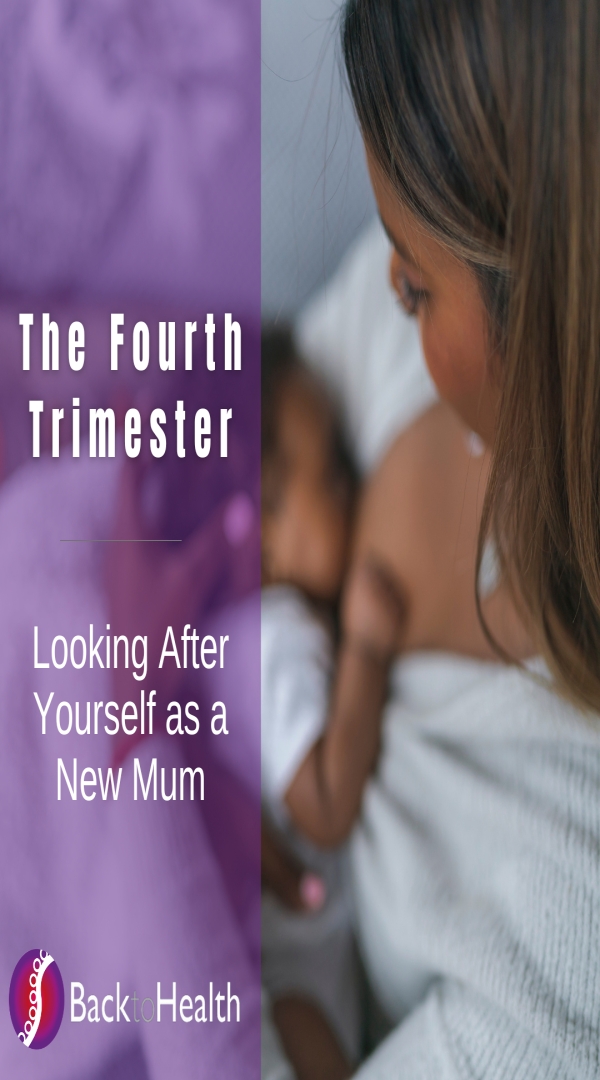
Welcoming a new baby into the world is an exciting and special time, but it can also be physically and emotionally exhausting!
Between sleepless nights, feeding, changing nappies and getting used to a whole new routine, it's easy to forget about looking after yourself.
Your body has been through an incredible journey during pregnancy and childbirth, and it needs time to recover and adjust to all the changes that come with becoming a mum.
At Back to Health, we understand that looking after your own health and wellbeing can sometimes take a back seat when you have a little one to care for.
But remember, looking after yourself is just as important as looking after your baby.
Whether you're experiencing back pain, pelvic discomfort, muscle tension or simply feeling a little less mobile than you used to, there are ways to help your body recover and make those early months of motherhood a little more comfortable.
Let's take a closer look at what happens to your body after childbirth and how you can support your recovery.
What Is the Fourth Trimester?
You may have heard of the three trimesters of pregnancy, but have you heard of the fourth trimester?
The fourth trimester refers to the first three months after your baby is born. It's a time of significant physical, hormonal and emotional changes as both you and your baby adjust to life after birth.
During pregnancy, your body goes through many changes to accommodate your growing baby. Your posture changes, your abdominal muscles stretch, and your joints and supporting tissues adapt.
After childbirth, these changes don't simply disappear overnight.
Your body needs time to recover, your muscles need to regain strength, and your hormones continue to change as you adjust to life with your newborn.
Add in broken sleep, feeding, carrying your baby and the demands of everyday life, and it's no surprise that many new mums experience aches, pains and fatigue during this period.
The important thing to remember is that recovery takes time, and every mum's experience is different.
There's no need to rush back to your pre-pregnancy routine or feel pressured to do everything at once.
Why Do New Mums Experience Back, Neck and Pelvic Pain?
Pregnancy and childbirth place considerable demands on your body, and these don't necessarily end once your baby arrives.
In fact, many of the everyday activities involved in caring for a newborn can place additional strain on your muscles and joints.
Some of the most common reasons new mums experience discomfort include:
Feeding and Holding Your Baby
Whether you're breastfeeding or bottle-feeding, spending long periods looking down at your baby or sitting in the same position can leave your neck, shoulders and upper back feeling stiff and uncomfortable.
You may also find yourself holding your baby on the same side of your body throughout the day, which can contribute to muscle fatigue and tension.
Lifting and Carrying
From lifting your baby out of their cot to carrying car seats, pushing the pram and bending over the changing table, caring for a newborn involves plenty of repetitive movements.
These activities can place additional demands on your back, shoulders and pelvis, particularly while your body is still recovering from pregnancy and childbirth.
Changes to Your Core and Pelvic Floor
During pregnancy, your abdominal muscles and pelvic floor adapt to support your growing baby.
After childbirth, these muscles may need time and appropriate exercise to regain strength and coordination.
Some mums also experience a separation of the abdominal muscles, known as diastasis recti, which can affect how their abdomen functions.
Changes in muscle strength and coordination may contribute to discomfort or make certain everyday activities feel more challenging.
Lack of Sleep and Recovery Time
Sleep is important for our physical and emotional wellbeing, but getting enough rest with a newborn isn't always easy!
Broken sleep and fatigue can make everyday activities feel more demanding and may affect how you experience and cope with pain.
Although getting a full night's sleep might not be realistic right now, finding opportunities to rest and accepting help from family and friends can make a difference.
Recovering After Childbirth
Every birth is different, and so is every recovery.
Whether you've had a vaginal birth, an assisted delivery or a Caesarean section, your body needs time to heal and adjust.
Recovery After a Vaginal Birth
During vaginal delivery, the muscles and tissues around your pelvis and pelvic floor undergo significant stretching.
Some mums experience soreness, pelvic discomfort or changes in bladder control in the weeks following childbirth.
Gentle movement and appropriate pelvic floor exercises can support recovery, but it's important to progress at a pace that feels comfortable for you.
If you're experiencing persistent pelvic pain, bladder or bowel problems, or a feeling of heaviness in your pelvic area, speak to your GP or a specialist pelvic health physiotherapist.
Recovery After a Caesarean Section
A Caesarean section is major abdominal surgery, and your body needs time to heal.
During the early stages of recovery, you may experience discomfort around your incision, changes in abdominal muscle function or difficulty with certain movements.
Activities such as getting out of bed, lifting and carrying may feel more challenging than usual.
It's important to follow the advice of your maternity team, avoid activities that place unnecessary strain on your healing incision and gradually return to exercise when it's appropriate for you.
Whatever type of birth you've had, your recovery is individual to you.
Try not to compare your progress with other mums. Your body has been through a lot, and giving yourself time to recover is an important part of looking after your health.
How Can Chiropractic and Osteopathy Help After Childbirth?
At Back to Health, our Chiropractors and Osteopaths understand that pregnancy and childbirth can bring significant changes to your body.
Both Chiropractic and Osteopathy take a hands-on approach to assessing and managing problems affecting your muscles, joints and spine.
If you're experiencing back pain, neck discomfort, muscle tension or restricted movement after having your baby, treatment may help you feel more comfortable and make everyday activities easier.
Your practitioner will begin by discussing your symptoms, medical history, pregnancy and birth experience, and any concerns you may have about your recovery.
They will then carry out an appropriate assessment to understand what may be contributing to your discomfort.
Where suitable, your treatment may include:
-
Gentle joint mobilisation and adjustments to help improve movement and manage discomfort.
-
Soft tissue techniques to help relieve muscle tension.
-
Advice on comfortable feeding positions, lifting and carrying your baby.
-
Gentle stretching and strengthening exercises appropriate for your stage of recovery.
-
Practical guidance to help you return to your usual activities at a comfortable pace.
Our approach is always tailored to your individual needs, taking into account how recently you've given birth, the type of delivery you've had and how your body is recovering.
Chiropractic and Osteopathy cannot speed up the natural healing of childbirth injuries or replace specialist postnatal care, but they may help you manage certain musculoskeletal symptoms as you recover.
Where appropriate, our practitioners can also work alongside your GP, midwife or pelvic health physiotherapist to help ensure you receive the care and support you need.
Our aim is simple: to help you move better, feel better and enjoy those precious early months with your little one.
5 Simple Ways to Look After Yourself During the Fourth Trimester
We know that finding time for yourself can be difficult when you have a newborn, but looking after your own wellbeing doesn't have to involve big changes.
Here are five simple things you can do to help make your recovery a little more comfortable.
1. Find a Comfortable Feeding Position
Whether you're breastfeeding or bottle-feeding, try to find a position that supports your back, neck and shoulders.
Use pillows or cushions to support your arms and bring your baby towards you, rather than constantly bending forward.
Changing position regularly can also help prevent stiffness and muscle fatigue.
2. Take Care When Lifting and Carrying
You'll probably find yourself lifting your baby dozens of times a day!
When possible, bring your baby close to your body before lifting, bend comfortably through your hips and knees, and avoid twisting while carrying heavier items.
If you've had a Caesarean section, follow your maternity team's advice about lifting restrictions during your recovery.
3. Keep Moving Gently
Gentle movement can help maintain your mobility, support your wellbeing and gradually rebuild your confidence in your body.
A short walk with the pram, gentle stretching or appropriate postnatal exercises can be a good starting point.
Start slowly, listen to your body and gradually increase your activity as you feel ready.
If you're unsure which exercises are suitable following your birth, speak to your midwife, GP or a pelvic health physiotherapist.
4. Make Time for Rest
We know, easier said than done!
But even short periods of rest can help you manage the physical and emotional demands of caring for a newborn.
Try to accept help when it's offered, share responsibilities where possible and don't feel guilty about leaving the washing up for another day.
Remember, you don't have to do everything yourself.
5. Don't Ignore Persistent Pain
Some discomfort is common during the early stages of recovery, but persistent or worsening pain shouldn't simply be dismissed as part of being a new mum.
If you're experiencing ongoing back pain, pelvic discomfort or difficulty moving comfortably, seek advice from an appropriate healthcare professional.
Severe or worsening abdominal pain, heavy bleeding, fever, chest pain, breathlessness or a painful, swollen leg require prompt medical assessment. Seek urgent medical help if you experience these symptoms.
Getting the right support can help you understand what's happening and what steps you can take to look after yourself.
We're Here to Support You on Your Journey
At Back to Health, we understand that becoming a mum is a wonderful experience, but it can also bring challenges that you might not have expected.
Between looking after your baby, adjusting to a new routine and recovering from childbirth, it's easy to put your own needs at the bottom of the list.
But your health and wellbeing matter too.
Whether you're experiencing back or neck pain, struggling with muscle tension or finding everyday movements more uncomfortable than usual, our friendly team is here to offer help, support and advice.
With experienced Chiropractors, Osteopaths and Physiotherapists across our Wrexham, Mold and Chester clinics, we offer a range of treatment options tailored to your individual needs and stage of recovery.
Our multidisciplinary approach means that we can work together to help you find the most appropriate care, so you can feel more comfortable, move with confidence and enjoy spending time with your growing family.
Remember, looking after yourself isn't a luxury. It's an important part of looking after your family too.
If you've recently welcomed a little one into the world and would like some advice about your recovery, get in touch with our friendly team today.
Visit www.back-to-health.co.uk to find out more about our treatments or book an appointment at one of our three clinics.
Here's to moving better, feeling better and enjoying life as a new mum!
Did you know?
We are the clinic with no waiting lists. We offer daily emergency appointments! Get treated quickly & recover faster!